
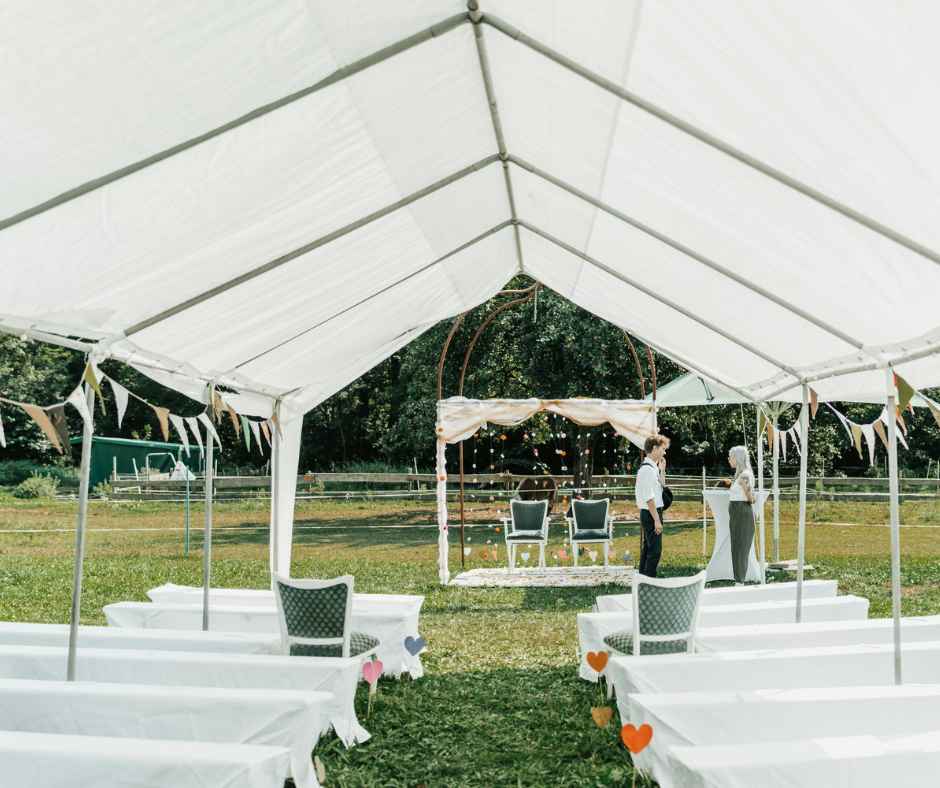
Planning an outdoor wedding with a tent brings together elegance, flexibility, and the natural beauty of the outdoors. Couples love the freedom that a tent provides because it allows them to design a personalized setting while still offering structure, shelter, and comfort. From rustic garden celebrations to sophisticated evening receptions, a tented wedding setup transforms an open space into a polished and purposeful event environment.
Outdoor weddings require a thoughtful approach since elements like weather, lighting, ground conditions, and layout play a major role in how the day unfolds. The right preparation ensures that your guests feel comfortable and that your celebration stays on schedule regardless of what nature brings.
In this blog, we will walk through expert tips to help you plan a tented wedding setup that feels beautiful, organized, and effortless from the first impression to the final toast.
Choose the Right Tent Style for Your Wedding
Selecting the right tent style is one of the most important steps in planning an outdoor wedding setup. Each type of tent offers unique advantages that influence the look of your event, how the layout functions, and the overall guest experience.
- Pole tents: These tents feature graceful peaks that create a classic and romantic silhouette. They work best on grassy or soft surfaces and are perfect for couples who want a traditional garden wedding atmosphere.
- Frame tents: These tents do not rely on center poles, which gives you a completely open interior layout. They can be installed on surfaces like patios or pavement and offer excellent flexibility for arranging stages, dance floors, buffets, and lounge areas.
- Clear top tents: These tents have transparent roofing that fills the space with natural light during the day and provides beautiful views of the night sky. They create a modern and dramatic look that pairs well with weddings held during mild weather seasons.
Choosing the tent style that aligns with your venue, theme, and layout needs ensures you create a polished and cohesive foundation for the rest of your wedding design.
Determine the Correct Tent Size
Selecting the right tent size is essential for creating a comfortable and functional wedding environment. The tent should provide enough space for guests to move freely, accommodate your seating layout, and include any additional features that support your celebration.
A helpful rule is to estimate about 10 to 12 square feet per seated guest, although this varies depending on the type of tables you choose. Long farm tables typically require more space, while round tables can be arranged more compactly. You also need to consider elements such as a dance floor, buffet areas, a bar, lounge seating, or staging for entertainment.
To determine the best size for your tent, use the following steps:
- Confirm your guest count: Your final count influences not only tent size but also seating layout and aisle spacing.
- Choose a seating style: Table shape and arrangement impact the total square footage needed.
- Identify extra features: Items like a stage, bar, or photo station require additional space.
- Evaluate the venue layout: Trees, pathways, and landscape features may affect the placement and size of the tent.
Consulting with an experienced rental company makes the process much easier because they can measure your space, recommend appropriate dimensions, and help design a layout that feels spacious and well-balanced.
Plan for Weather and Seasonal Considerations
Weather plays a major role in outdoor wedding planning, which is why it is important to prepare for a variety of conditions. Even with a reliable forecast, having a clear plan in place ensures your guests stay comfortable and your timeline stays on track.
Rain and wind are the most common concerns. Adding tent sidewalls provides protection from sudden showers and helps reduce wind exposure. Flooring is also valuable because it prevents muddy or uneven ground from disrupting seating areas, walkways, and your dance floor. If storms are likely in your region or season, these additions offer peace of mind.
Temperature should also guide your planning. Summer weddings may require fans or cooling units to maintain airflow inside the tent. Fall celebrations often benefit from portable heaters to keep guests warm after sunset. Early spring events can go either direction, so climate control options help stabilize the environment.
Different seasons present unique considerations:
- Spring: Expect changing weather patterns, making sidewalls and flooring especially helpful.
- Summer: Focus on airflow, shade, and guest hydration.
- Fall: Enjoy comfortable temperatures but prepare for cooler evenings.
- Early winter: Plan for fully enclosed tenting and consistent heat.
By anticipating the weather and preparing for seasonal shifts, you create a smooth and enjoyable experience regardless of what the day brings.
Flooring, Staging, and Walkways
Flooring, staging, and walkways play an essential role in making your outdoor wedding both attractive and functional. Because outdoor spaces often have uneven or soft ground, adding these elements ensures safety, comfort, and a polished overall look.
Event flooring creates a level surface that supports tables, chairs, and high-foot traffic areas. It also helps guests wearing formal shoes feel more comfortable and stable while walking throughout the venue. Popular flooring options include wood panels, vinyl systems, and modular flooring that adapts to different types of terrain.
Staging is another important consideration. A raised stage is ideal for a band, DJ, or ceremony backdrop because it helps guests see the focal point clearly. It can also be used to elevate a sweetheart table or create a dramatic entrance area for the wedding party.
Walkways help guide movement and keep your event space organized. They prevent guests from walking through soft or muddy areas and offer a clear path between your ceremony, cocktail hour, and reception zones. A defined walkway also enhances the overall design by creating intentional flow throughout the venue.
These structural elements bring order, comfort, and visual harmony to your tented wedding setup, making the space easier to navigate while maintaining a cohesive look.
Lighting and Electrical Needs
Lighting transforms a tented wedding by setting the mood, enhancing your décor, and ensuring guests can move around safely after sunset. Because outdoor venues do not provide built-in lighting or power, it is important to plan these elements early so everything is wired, placed, and functioning properly on the wedding day.
String lights are one of the most popular choices because they create a warm and inviting glow throughout the tent. They work well for both casual and elegant weddings. Chandeliers offer a more formal look and can serve as a focal point above the dance floor or dining area. Uplighting adds depth and highlights features like tent poles, draping, or architectural details.
Electrical needs should be coordinated carefully. Your vendors may require power for catering equipment, entertainment, photo booths, speakers, and climate control systems. Generators are often necessary for outdoor locations without reliable access to power, and they should be placed far enough away to avoid noise disruption.
When planning your lighting and electrical setup, consider the following:
- Confirm which vendors require power and how much they need.
- Plan dedicated circuits for key equipment to avoid overloads.
- Decide on lighting styles that match your décor and wedding theme.
- Ensure walkways and outdoor areas are safely illuminated.
A thoughtfully designed lighting plan enhances the atmosphere while supporting the practical needs of your event.
Décor and Layout Planning
Designing the décor and layout of your tented wedding brings your overall vision to life. Because tents offer a blank canvas, you have the freedom to create a style that reflects your personality while making the space functional for guests and vendors.
Start by considering how you want your guests to experience the space. A well-planned layout includes clear zones for dining, dancing, and socializing. Round tables create an intimate atmosphere and help promote conversation, while long banquet tables support a more communal and modern setup. Lounge areas with soft seating can be added to encourage relaxation and mingling.
Décor plays an important role in defining the ambiance. Tent draping adds softness and elegance, especially when paired with the right lighting. Greenery installations, floral arrangements, and hanging décor help fill vertical space and make the tent feel more refined. Tabletop details such as candles, runners, and coordinated linens enhance your theme and tie the design together.
Consider the following as you shape your layout and décor:
- Flow: Ensure guests can move between areas without congestion.
- Centerpieces: Choose styles that complement your table shape and do not obstruct sightlines.
- Draping and fabrics: Use soft materials to add texture and create a cohesive design.
- Functional zones: Place bars, food stations, and the dance floor where they are easily accessible but not disruptive.
A thoughtful approach to décor and layout turns your tent into a warm, inviting, and memorable environment for your wedding day.
Comfort and Amenities for Guests
Guest comfort is one of the most important factors in planning a successful outdoor wedding. Since you are working with natural elements and open landscapes, adding the right amenities ensures guests enjoy the celebration from start to finish.
Climate control is a major consideration. Cooling units or fans help keep summer weddings comfortable, while portable heaters are helpful for fall or early spring events. These additions stabilize the temperature inside the tent and prevent discomfort caused by humidity, heat, or chilly evening breezes.
Restroom access is another essential amenity. If your venue does not have facilities nearby, luxury restroom trailers provide a clean and elevated experience that aligns with the look and feel of a formal event. They come with lighting, running water, and spacious interiors, which help maintain guest convenience.
Accessibility should also be part of your planning. Smooth walkways, properly placed ramps, and thoughtful seating arrangements help ensure that all guests, including those with mobility needs, can move around comfortably.
Additional guest comfort options include:
- Hydration stations during warm weather
- Shaded outdoor seating for cocktail hour
- Cozy blankets for cooler seasons
- Bug management solutions in wooded or grassy areas
By prioritizing these amenities, you create a welcoming and enjoyable environment that makes your outdoor wedding feel well planned and guest-focused.
Your Complete Guide to a Seamless Outdoor Wedding Tent Setup
A tented outdoor wedding creates a beautiful blend of natural scenery and personalized design. With the right planning, you can transform an open space into a welcoming environment that feels polished, comfortable, and completely unique to your celebration. From selecting the ideal tent style to preparing for weather, choosing the appropriate flooring, designing a thoughtful layout, and adding guest-focused amenities, every detail supports a seamless and memorable experience.
By partnering with experienced rental professionals and taking the time to plan each element carefully, your wedding day becomes not only visually stunning but also smooth and stress-free. A well-organized tent setup ensures that you and your guests enjoy every moment, from the ceremony to the final dance.
For expert guidance and dependable wedding tent rentals, contact Hillsborough Tent & Party Rental today. Our team is here to help you create a beautiful and stress-free outdoor wedding experience from planning through installation.
Frequently Asked Questions
How far in advance should I reserve a wedding tent?
It is best to reserve your tent six to twelve months before your wedding, especially if you are getting married during peak season. Popular dates fill quickly, and early booking ensures you get the tent style and size that fits your vision. Securing your reservation early also gives you ample time to plan layouts, décor, and additional rental needs.
Can a tent be customized to match my wedding theme?
Yes, wedding tents are highly customizable. You can enhance them with draping, specialty lighting, floral installations, custom flooring, and unique table arrangements. Many couples add decorative items such as greenery, chandeliers, colored linens, or themed furniture to create a cohesive aesthetic that matches their wedding style.
What surfaces can a wedding tent be installed on?
Wedding tents can be installed on a variety of surfaces, including grass, gravel, concrete, asphalt, and patios. The type of tent you choose may affect installation options. Frame tents are the most versatile for hard surfaces, while pole tents typically require soft ground for proper anchoring.
Do I need permits for a tented wedding?
Some locations require permits for tent installations, depending on the tent size and whether lighting, heat, or electrical equipment is involved. Your rental provider can help you navigate local requirements and determine if permits are needed. It is important to handle this early to avoid delays during the setup process.
How long does tent setup and breakdown usually take?
Most tent installations take several hours, although larger or more complex setups may require a full day. Breakdown usually occurs the day after your event unless otherwise coordinated. Planning your venue access schedule ahead of time makes the process smooth for both your vendors and rental team.
